


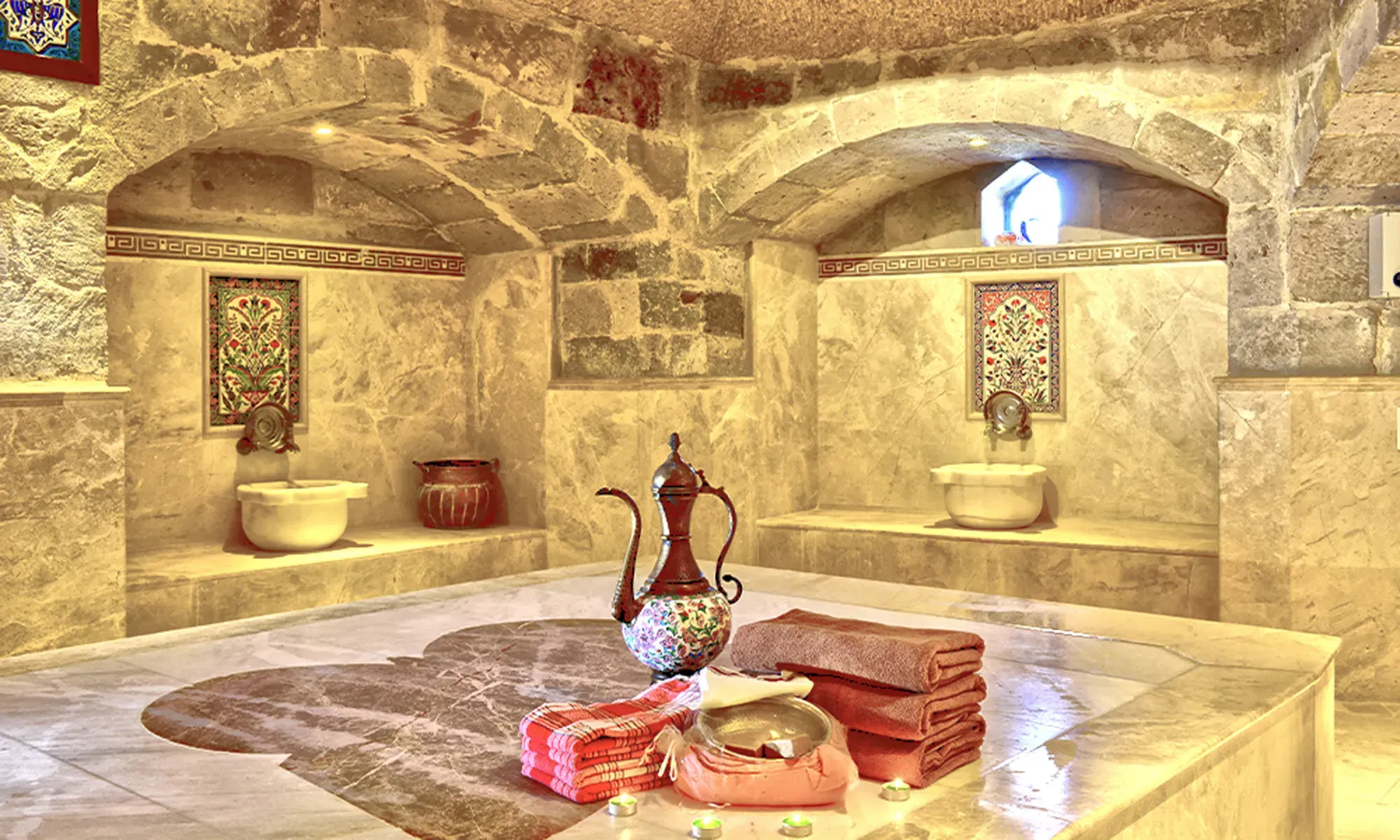
DIY Turkish bath at home can transform your routine into a mindful, spa-like ritual you look forward to after a long day, inviting a deliberate slowing of breath and a focused posture that sets the tone for the session. The experience mirrors the Hammam ritual at home, emphasizing gradual heat, cleansing textures, mindful breathing, and soothing touches that invite calm, with a backdrop of soft lighting and quiet ambiance. With simple tools—a stool, soft towels, a kese mitt or rough glove, and a mild soap—you can recreate authentic Turkish bath steps in a compact bathroom, scaling the flow to your space and time. A warm, well-ventilated space, a steady supply of water, and properly diluted essential oils for aroma help open pores, relax muscles, and support hydration, while staying safe and comfortable. This introductory guide remains practical, safe, and beginner-friendly, offering a clear flow you can repeat weekly to cultivate a balanced sense of well-being and personal ritual.
Another way to frame this at-home spa tradition is a steam-led cleansing ritual that blends heat, moisture, and skin-friendly exfoliation. Think of it as a hammam-inspired sequence tailored for domestic spaces, where warmth, cleansing oils, and mindful massage build a deep sense of calm. You can picture the process as a two-part routine: prepare the space and then guide the body through cleansing, scrubbing, nourishing hydration, and a refreshing finish. By using common household items and safe practices, you recreate the essence of this cultural wellness practice without needing a dedicated spa setting.
DIY Turkish bath at home: recreate the Hammam ritual and steam room experience
Imagine stepping into a warm, softly lit bathroom where heat gently rises and steam curls in the air. A DIY Turkish bath at home is more than a cleansing routine—it’s a mindful ritual that mirrors the Hammam ritual at home, inviting you to slow down, breathe, and tune into your body. The experience blends warmth, moisture, textures, and mindful touch to create a spa-like escape you can recreate in a modest space.
To begin, design a calm flow that respects your space and body. Pre-warm the room, set soft lighting, and gather your kese mitt, natural soap, massage oil, and a towel rack. Let the steam build gradually—think of it as a personal steam room at home—so your pores soften and your mind relaxes. This intentional approach keeps the Hammam spirit intact while staying safe and attainable in everyday life.
Turkish bath steps for a complete home spa routine
Turkish bath steps provide a guided rhythm that blends cleansing, exfoliation, and hydration into a single, repeatable routine. Start with gentle heat and steam to open pores, then move to a cleansing soap or oil that nourishes the skin. This sequence mirrors the traditional Turkish bath steps and primes the skin for deeper care.
Then move into exfoliation with the kese mitt, using broad, firm strokes on arms, legs, torso, and back. This exfoliation and kese phase sloughs away rough skin, stimulates circulation, and reveals a smoother canvas. Rinse, apply a light layer of cleanser or oil, and finish with a cool rinse to close the session.
Exfoliation and kese at home: tips for effective skin renewal
Exfoliation and kese are central to achieving brighter, smoother skin with an authentic Hammam feel. The rough texture of the kese mitt helps remove dead skin while stimulating circulation, so you glimpse a healthy glow underneath. Use steady, upwards or circular strokes and avoid over-scrubbing to protect the skin barrier.
After exfoliating, cleanse again and seal moisture with a lightweight cream or oil. If your skin is sensitive, start with gentler pressure and shorter sessions, then adjust over time. This rhythm—exfoliation and kese followed by cleansing—mirrors the Turkish bath steps while keeping it comfortable for a home setting.
Essential tools and space setup for a safe DIY Hammam experience
Essential tools and space setup for a safe DIY Hammam experience include a sturdy stool or bench, a warm towel setup, multiple towels, a kese mitt or rough glove, natural soap such as sabun, a cleansing oil, a loofah, and a back scrubber. With these items, you can recreate the core elements of the Hammam ritual at home and maintain consistency in your practice.
Create a supportive space by ensuring good ventilation and having water nearby. Keep heat at a comfortable level and pace your session to avoid dehydration. Even in a small bathroom, you can approximate a steam room at home by running a hot shower and using a diffuser or essential oils safely.
Personalize your Turkish bath at home with space, timing, and routine variations
Personalize your Turkish bath at home with flexible timing and adaptable spaces. A compact shower stall or a bathtub can host the ritual; adjust heat, duration, and the number of cycles to fit your space and energy. The core ideas remain the same—heat, cleanse, exfoliate, and hydrate—while you tailor each step to your home environment.
Finalize the mood with calming music, aromatics, and optional seasonal ingredients like lavender or citrus peels. Decide how often you’ll repeat the routine—weekly or biweekly—and treat it as a sustainable habit that honors the Hammam ritual at home from start to finish.
Frequently Asked Questions
What is the best approach for a DIY Turkish bath at home to replicate the Hammam ritual at home?
A DIY Turkish bath emphasizes gradual heat, steam, and mindful cleansing. Start by creating a warm, comfortable space, then follow the Hammam-inspired sequence: steady heat and steam, exfoliation with a kese mitt, cleansing with soap or oil, a thorough rinse, optional clay or hydrating mask, and a final moisturizing finish. Keep the heat comfortable, stay hydrated, and tailor the intensity to your space and comfort.
How can I set up a steam room at home to achieve a Turkish bath at home experience?
Begin by warming the bathroom and preparing your tools, then generate steam with a hot shower or by adding hot water to create a gentle steam environment. Ensure good ventilation and monitor the heat so it stays comfortable. Hydrate before and after, and work in short, calming sessions to mimic the spa-like pace of a Turkish bath at home.
Which tools are essential for exfoliation and kese in a DIY Turkish bath?
Essential tools include a kese mitt or rough exfoliating glove, a loofah or washcloth for additional texture, a sturdy stool or bench, and a mild soap or cleansing oil. Use the texture to stimulate circulation, and always patch-test new products and avoid overly harsh scrubbing to protect the skin.
What are the Turkish bath steps to follow in a DIY Turkish bath routine?
Turkish bath steps in a DIY routine typically follow: prep the space, gentle steam, exfoliate with the kese, cleanse and massage, rinse, optional clay or hydrating mask, hydrate and moisturize, then wind down with rest and hydration.
How can I personalize my Hammam ritual at home while keeping the DIY Turkish bath safe and balanced?
Personalize by adjusting exfoliation pressure for your skin, choosing natural ingredients, and shaping session length to your space. Maintain good ventilation, hydrate well, and patch-test products. Start with a modest routine and gradually tailor the atmosphere and timing to create a calming, safe Hammam ritual at home.
| Aspect | Key Points |
|---|---|
| What it is | A Hammam-inspired ritual at home blending heat, steam, cleansing, exfoliation, and hydration, adapted for a non-spa space. |
| Core idea | Cleansing, exfoliation, and moisturization in a structured sequence with gradual heat and mindful touch. |
| Essential steps | Heat/steam; cleanse with soap or oil; exfoliate with kese; rinse; optional mask; moisturize; wind-down. |
| Tools & space | Warm, comfortable bathroom; stool/bench; towels; kese or exfoliating glove; soap; oil/moisturizer; loofah; diffuser optional. |
| Safety tips | Hydrate before/after; patch-test; avoid extremely hot steam; ensure ventilation; consult professional if pregnant or skin conditions. |
| Personalization | Adjust intensity to space; substitute tools; add calming music or candles; extend cycles as needed. |
| Common mistakes | Over-exfoliation; skipping hydration; irritants; poor ventilation; rushing the ritual. |
| Variations for spaces | Small shower stall: handheld steam and a compact stool; Bathtub: warm bath with oil; No equipment: warm water, loofah, mild cleanser. |
| Frequency | Weekly or biweekly, adjustable to comfort and schedule. |
Summary
DIY Turkish bath at home invites you into a soothing ritual of warmth, mindful touch, and skin-nourishing care that fits into everyday life. By following the core sequence of heat or steam, exfoliation, cleansing, and hydration, you can achieve deeper relaxation, smoother skin, and a calmer mind without stepping outside your bathroom. This approach respects the spirit of the Hammam while remaining practical for modern homes, and it can be adapted to weekly or biweekly rhythms, depending on your needs.


