

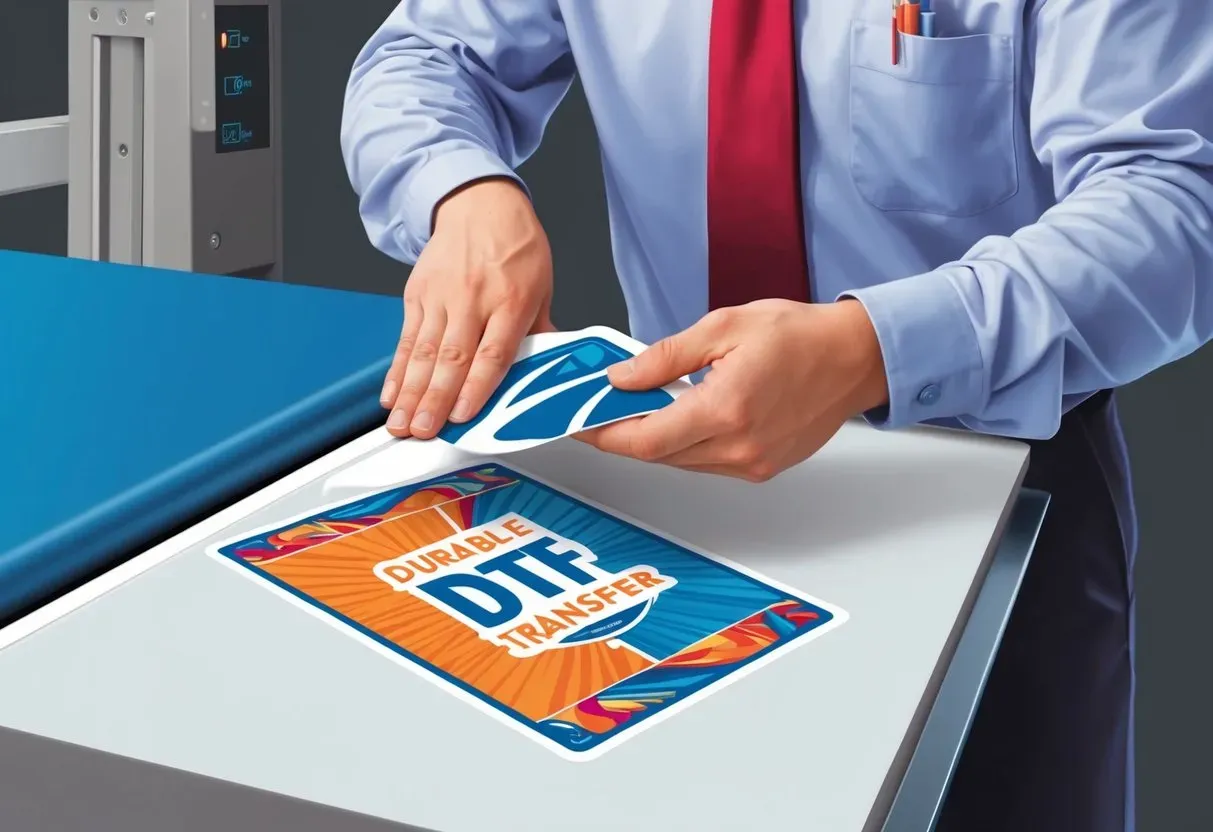
DTF transfers care and longevity are at the core of getting vibrant designs on fabric that endure through many wears. This introduction explains why thoughtful care—from initial application to daily washing—matters for durability, color integrity, and soft hand feel. By following practical steps on how to wash DTF transfers and ensuring proper DTF transfer care, you can protect edges and prevent dulling. Woven into every recommendation are real-world tips for washing DTF transfers, maintenance routines, and strategies to keep DTF prints longevity bright. Read on for a focused guide that translates science into simple practices you can apply at home.
In other words, direct-to-film garment graphics require a thoughtful care routine to stay bold and flexible as fabrics move. Think of this as a longevity-focused maintenance plan for your wearable art, where proper handling, storage, and occasional bond reactivation help preserve adhesion. LSI-friendly terms like direct-to-film printing on textiles, edge integrity, and color retention appear alongside practical tips such as avoiding harsh detergents and heat spikes. The goal is clear: extend the life of the print while preserving the feel of the fabric, as part of DTF transfer maintenance, using simple checks, structured washing, and mindful drying. If you’re curious about the specifics, consult the guide for washing DTF transfers as part of a broader care plan. Regularly check for edge lifting and plan a gentle reactivation if the manufacturer recommends it. Store prints away from direct sun and heat, and choose breathable garment bags to minimize friction. These practical steps create a durable foundation for any DTF project.
DTF transfers care and longevity: Building a durable print routine for fabrics
DTF transfers care and longevity isn’t a one-time setup; it’s a repeatable routine that starts with how you apply the design and continues through every wash. Framing care as a long-term strategy helps preserve color, edge integrity, and the overall feel of the garment. By adopting a systematic approach to care, you reinforce the bond between the film and the fabric and set expectations for durable, vibrant results that stand up to repeated wear.
Establishing a practical care routine begins with the basics of DTF transfer care: follow manufacturer guidelines during heat application, then extend that discipline into washing and storage. When you view care as a daily habit—gentle washing, proper drying, and careful handling—you maximize DTF prints longevity and reduce the risk of edge lifting, cracking, or dullness over time.
How to wash DTF transfers: a practical, step-by-step guide
Understanding how to wash DTF transfers is the first line of defense against early wear. Start by turning the garment inside out to shield the print edge from friction, then select cold or lukewarm water to minimize adhesive degradation and pigment fading. This step-by-step approach aligns with best practices for maintaining a strong bond and vibrant color through many washes.
Next, choose a mild detergent and avoid chlorine bleach or aggressive solvents. Delicate cycles and air drying are preferred, as they reduce micro-abrasions and heat exposure that can compromise the transfer. If you need to refresh a design after several washes, re-curing or a gentle reactivation should follow the transfer’s official instructions rather than improvising with heat.
DTF transfer maintenance: extending bond strength and appearance over time
DTF transfer maintenance goes beyond the wash. Regular inspection after washing helps you catch edge lifting or color cracking early, allowing timely reactivation or re-curing to restore bond strength. This proactive stance supports DTF transfers care and longevity by preserving the transfer’s integrity before minor wear becomes noticeable.
Storage and handling play critical roles in maintenance as well. Keep garments away from direct sunlight, store in a dry environment, and rotate heavily used items to distribute wear. These practices help minimize UV fading and adhesive degradation, ensuring that the prints retain their color, flexibility, and adhesion across many cycles of use.
DTF prints longevity: strategies to preserve brightness and edges through washes
Preserving DTF prints longevity hinges on combining careful washing with mindful post-wash care. Consistently washing with cool temperatures, gentle detergents, and avoiding fabric softeners protects the adhesive layer and pigments. Over time, these choices reduce color dulling and edge wear, keeping the design looking sharp well after many wears.
Additionally, consider periodic reactivation or a light re-press when recommended by the transfer manufacturer. This proactive step can refresh bond strength after extensive washing, contributing to long-term vibrancy. By embracing a structured approach to care and maintenance, you extend the life of your designs while keeping them comfortable and visually appealing.
Washing DTF transfers across fabrics: care tips for cotton, blends, and synthetics
DTF transfers are versatile, but different fabrics require tailored care. For cotton and cotton blends, the guidelines emphasize washing inside out, avoiding aggressive agitation, and selecting gentle detergents to protect the transfer bond. These steps align with DTF transfer care to maintain color integrity and edge fidelity over time.
For synthetic blends or performance fabrics, always test a small area first and consult the garment’s care label. The goal is to minimize friction and heat exposure while preserving the bond with the fabric. By applying fabric-specific care and adhering to general washing DTF transfers principles, you can keep your prints looking fresh across a wide range of materials.
Frequently Asked Questions
How to wash DTF transfers to maximize DTF transfer care and longevity?
A proper washing routine is central to DTF transfers care and longevity. To wash DTF transfers correctly: turn the garment inside out, use cold or lukewarm water with a mild detergent, avoid chlorine bleach and harsh solvents, skip fabric softeners, and choose a gentle cycle or hand wash for delicates. Rinse thoroughly and air dry, or tumble dry on a low heat setting with the garment inside out. If the transfer guide allows, a light warm-up after multiple washes can help refresh the bond. Following these steps supports DTF transfers care and longevity by preserving color, edge integrity, and adhesive strength.
What is the best approach to DTF transfer care for improving DTF prints longevity?
Effective DTF transfer care centers on gentle washing, proper drying, and informed handling. Always follow the transfer manufacturer’s guidelines for temperature, pressure, and transfer time. Wash items inside out in cool water with a mild, color-safe detergent, avoid chlorine bleach and strong solvents, and skip fabric softeners. Use a gentle cycle or hand wash when possible, rinse thoroughly, and air dry. Store garments away from direct sunlight and inspect prints after washing to catch early signs of wear. This routine supports DTF prints longevity through balanced care.
What does DTF transfer maintenance involve beyond washing DTF transfers to extend their life?
DTF transfer maintenance goes beyond washing to protect bond quality and color. After washing, inspect for edge lifting or color cracking, and address any issues promptly (re-cure if recommended by the transfer maker). Store garments in a clean, dry place away from direct sunlight, and rotate high-wear designs to distribute wear. Avoid chlorine cleaners on the fabric and consider periodic reactivation or refresh steps if advised by the transfer guidelines. Together, these practices reinforce DTF transfer maintenance and long-term longevity.
Why is washing DTF transfers a crucial part of DTF transfer care and longevity?
Washing DTF transfers is a crucial part of care and longevity because water temperature, detergent choice, and washing action directly affect the adhesive bond and pigment integrity. Hot water, harsh enzymes, and aggressive agitation can accelerate fading and bond wear, while cool water, mild detergents, and gentle cycles help preserve color and edge fidelity. By adhering to proper washing DTF transfers practices, you sustain the transfer’s appearance and durability over many wears and washes, supporting overall DTF transfer care and longevity.
How can I implement a practical DTF transfers care routine for different fabrics, including how to wash DTF transfers and reactivation when needed?
A practical care routine starts with knowing your fabric. For cotton or cotton blends, wash inside out in cool water with a mild detergent and avoid high agitation. For synthetics or performance fabrics, test a small area first and follow the garment label. Always air dry when possible, or use a low heat setting if you must use a dryer. Periodically, follow the transfer manufacturer’s guidance on reactivation or light heat to refresh the bond after many washes. This approach—careful washing DTF transfers, proper drying, and selective reactivation—supports DTF transfer maintenance and extends DTF prints longevity.
| Key Point | Summary | Details |
|---|---|---|
| What DTF is and how it bonds | DTF stands for direct-to-film; the design is printed onto a special film then transferred to fabric using heat and pressure. | The printed image fuses with the fabric fibers, creating a durable bond that resists cracking and peeling better than some older transfer methods. Longevity depends on transfer quality, fabric type, heat/pressure during application, and how you wash and handle the garment after curing. |
| Longevity depends on multiple factors | The transfer’s life is influenced by the transfer quality, fabric type, application heat/pressure, and post-application washing/handling. | A reliable care routine helps prints stay vibrant through repeated wear; care bridges immediate appeal and long-term satisfaction. |
| Importance of proper application | Following manufacturer guidelines for temperature, pressure, and transfer time is essential. | If a step is missed during heat pressing, the bond may be weaker and washing won’t fully compensate; proper application sets the foundation for longevity. |
| How to wash DTF transfers (step-by-step) | Key washing practices to preserve prints. | – Turn garments inside out to reduce surface friction. – Use cold or lukewarm water. – Choose a mild, color-safe detergent. – Avoid chlorine bleach and strong solvents. – Skip fabric softeners for DTF items. – Use a gentle or normal cycle; consider hand washing for delicate items. – Rinse thoroughly. – Dry with care (air drying preferred; if using a dryer, use low heat and turn inside out). |
| Heat after washing and reactivation | Some guidance suggests light heat to refresh the bond after many washes, but follow the transfer’s instructions. | If advised, re-curing or reactivation should be done precisely as instructed; otherwise, air drying typically yields the best long-term results. |
| Maintenance beyond washing | Maintenance includes inspection, proper storage, and occasional reactivation. | – Inspect after washing/drying for edge lifting, color cracking, or texture changes. – Store garments away from direct sunlight in a clean, dry environment. – Rotate heavily used items to distribute wear. – Avoid chlorine cleaners on the fabric. – Periodic reactivation can extend life when guidelines permit. |
| Common mistakes that shorten life | Common missteps that accelerate wear. | – Using hot water by default. – Overloading the washing machine. – Ironing the print directly. – Relying only on cosmetic care (stain removers, boosters) without a balanced routine. |
| Care plan by fabric type | Care routines vary by fabric; general guidance works for cotton/cotton blends; test on a small area for synthetics. | Test and follow garment care labels; emphasize washing inside out and avoiding aggressive agitation; tailor steps to fabric type. |
| Education and customer/design roles | Educating customers, designers, and retailers helps reduce returns and dissatisfaction. | Provide clear care instructions with products; share wash-tested labels and guides; a consistent care routine supports durable, vibrant prints. |
Summary
HTML table generated summarizing the key points about DTF transfers care and longevity.