

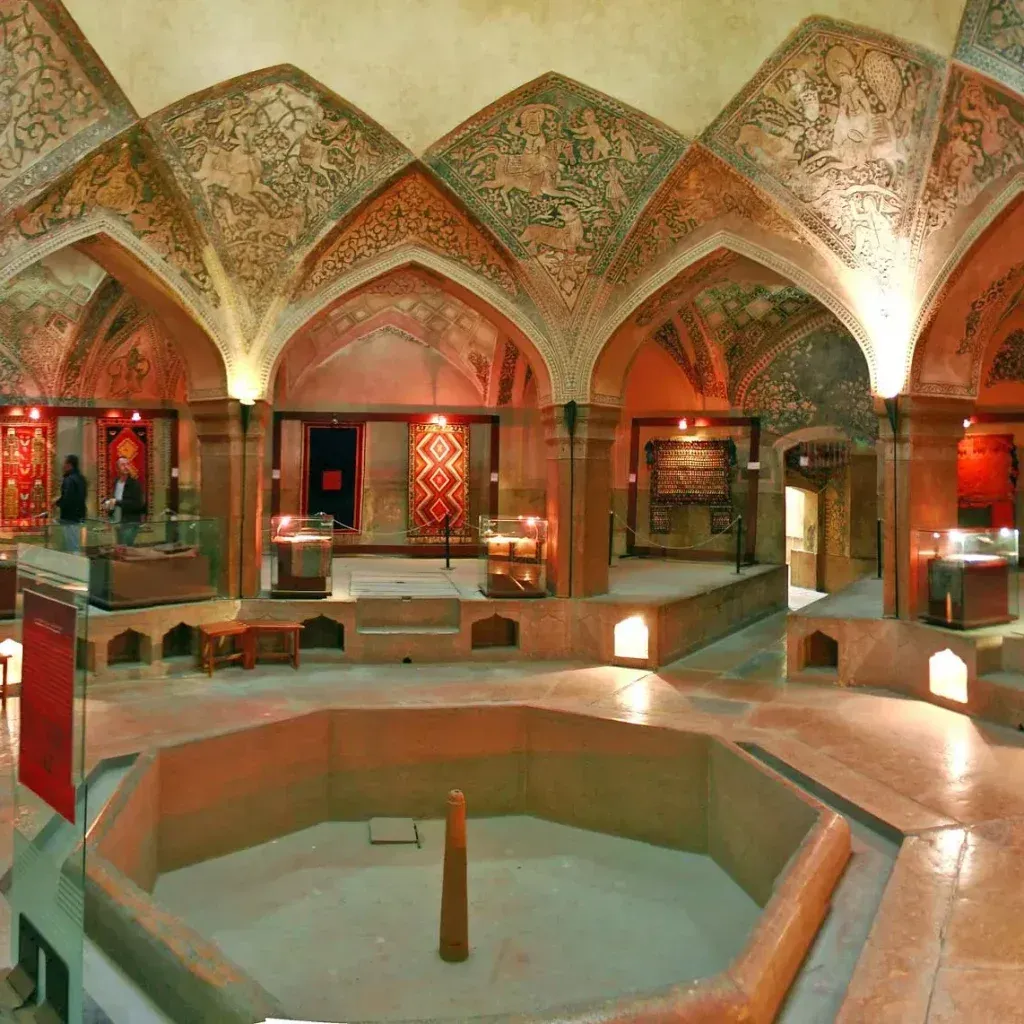
History of Turkish Hammam is more than a chronology of baths; it offers a window into a culture where steam, marble, and ritual converge to cleanse, refresh, and connect people. From ancient thermal sites to Ottoman baths, the tradition blends hospitality, craft, and Hammam culture that continues to shape today’s hammam spaces. The ritual journey—from warm rooms to exfoliation, olive oil soap, and massage—reveals a ceremonial process that centers care as much as cleansing. Architectural design, steam flow, and attendant guidance create a sequence that preserves privacy while inviting social warmth. Today, this heritage informs Turkish spa traditions and contributes to Modern hammam wellness in urban retreats and hotels worldwide.
To introduce the topic using related terms, imagine a steam-soaked public bathhouse tradition where heat, water, and ceremony meet. Across centuries and regions, such bathhouses served as social spaces for conversation, craftsmanship, and relaxation. In the Ottoman era, ornate rooms and domed ceilings framed a guest-centered routine that emphasized cleanliness, exfoliation, and renewal. The influence extends beyond Turkey, echoing in spa towns of the Balkans and Levant where thermal culture shapes hospitality. Modern wellness venues borrow design cues from these rituals while adapting to contemporary comfort and safety standards. Understanding these connections helps readers appreciate how a simple cleansing practice has evolved into a global spa tradition.
History of Turkish Hammam: From Ancient Origins to Ottoman Grandeur
The History of Turkish Hammam is not just about places and steam; it’s a lens into a culture where heat, water, and hospitality converge. Rooted in ancient Mediterranean and Near Eastern practices, hammams absorbed Roman thermae, Persian bath rituals, and Byzantine cleansing traditions to form a distinctive Turkish bath history. Steam acted as a catalyst for physical renewal and social warmth, while the architecture and rituals created a sense of communal welcome. The word hammam itself evokes heat, signaling spaces designed around warmth, cleansing, and connection across generations.
As these influences blended, the Ottoman era refined the hammam into a civic and cultural cornerstone. Ottoman baths became more than baths—they were social arenas where neighbors gathered, artists found inspiration, and travelers found respite. Domed ceilings moved heat and moisture efficiently, marble interiors offered cool relief under bright light, and the room sequence guided visitors through a ceremonial journey. This progression—from warm to hot zones to cleansing, massage, and cooling—remains a faithful throughline in Turkish bath history and underscores the enduring role of Ottoman baths in shaping the Hammam culture.
Ottoman Baths: Architecture, Ritual, and Social Life
Ottoman baths are a language in stone and steam. The architecture—domed ceilings, centrally heated rooms, and a carefully choreographed sequence—creates spaces that feel both sacred and socially vibrant. Marble surfaces stay cool under intense heat, while tiles, water features, and carefully positioned doors sculpt the flow of movement and conversation. This architectural design is central to the experience and echoes the era of Ottoman baths at the heart of Hammam culture.
The ritual itself reads like a ceremonial script: undressing in private or semi-private spaces, warming in a soft-steam room, exfoliating with a kese to revive circulation, and enjoying olive oil soap before a thorough rinse. Attendants, known as tellaks, combine massage techniques with a sense of hospitality and care. Although many modern spas streamline the process, the essential steps—steam, cleansing, exfoliation, massage, and a concluding moment of quiet—remain the core of Turkish spa traditions and the living practice of Hammam culture.
Hammam Etiquette and Gender Traditions in Turkish Spa Culture
Etiquette in the hammam points to a long code of care, privacy, and hospitality. In various communities, gender-specific hours or spaces shape the social fabric around bathing, and attendants transmit techniques with a deep respect for personal boundaries. This etiquette is not mere form; it’s a cultural scaffold that protects dignity while enabling intimate care, revealing how the bath becomes a trusted ritual that travels across generations and borders within Hammam culture.
Today’s hammams preserve these traditions while adapting to contemporary expectations. Visitors may encounter gender-segregated times, private rooms, or mixed configurations, depending on the facility. Attendants continue to perform exfoliation and massages with ceremonial precision, illustrating how etiquette endures even as modern comforts evolve. The interplay of tradition and adaptation highlights the resilience of Hammam culture and its relevance to Modern hammam wellness in diverse settings.
From Hammam Culture to Modern Wellness: Rituals, Wellness, and Turkish Spa Traditions
As times changed, traditional hammams embraced modern wellness trends, integrating aromatherapy, hydrotherapy, and mindfulness while preserving the steam-based cleansing, exfoliation, and massage that define Turkish spa traditions. This evolution responds to contemporary expectations for privacy, comfort, and accessibility, yet the core ritual remains a living thread—steam softens, exfoliation renews, and massage releases tension—anchored in a rich cultural history.
In many cities, the hammam becomes a sanctuary that complements fitness, skincare, and relaxation. The transition from historical bathhouses to modern wellness venues demonstrates how a centuries-old practice remains relevant, adaptable, and deeply restorative. The result is a balanced fusion that supports physical health and social connection, illustrating how Turkish spa traditions continue to evolve within Modern hammam wellness.
The Global Footprint: Turkish Bath History in Contemporary Spa Scenes
The influence of the Turkish hammam extends beyond Turkey’s borders, shaping spa towns across the Balkans, the Levant, and parts of North Africa. This diffusion reflects a shared appreciation for steam-centered cleansing and social spaces, a hallmark of Turkish bath history that resonates with diverse audiences. Today’s travelers and scholars encounter hamam-inspired experiences worldwide, often blending local styles with the hammam’s core principles of hospitality and ritual.
Contemporary spa scenes worldwide frequently offer hamam-inspired rituals—steam, exfoliation, and massage—paired with Western amenities and health science. This globalization preserves the essence of Hammam culture while inviting new audiences to participate in a historically grounded wellness practice. The ongoing conversation around Modern hammam wellness demonstrates how a traditional path can travel globally, retaining authenticity even as it adapts to modern health and tourism demands.
Frequently Asked Questions
What does the History of Turkish Hammam reveal about Ottoman baths architecture and social spaces?
The History of Turkish Hammam shows how architecture served hygiene and hospitality: domed ceilings, marble interiors, and connected service zones created a comfortable climate and social flow. In Ottoman baths, the layout guided guests through progressively hotter rooms, while design details like tilework signified status and ritual. These features reflect the hammam as a civic space where cleansing and social life intertwine.
How does the History of Turkish Hammam describe the ritual steps and roles within Hammam culture?
It highlights steps such as warming with steam, exfoliation with a kese, soap lathers, and massages by tellaks, forming a ceremonial sequence. The practice emphasizes privacy, modesty, and skilled attendants, preserving trust and care that define Hammam culture. The multi-stage ritual remains the throughline from ancient origins to modern practice.
How has Modern hammam wellness integrated elements from the History of Turkish Hammam?
Modern hammam wellness preserves steam, cleansing, exfoliation, and massage while adding contemporary therapies like aromatherapy and hydrotherapy. Facilities balance authenticity with comfort, offering private or public spaces and flexible service options. The integration demonstrates how Turkish spa traditions adapt without losing lineage.
What role did etiquette and gender practices in Ottoman baths play, as seen in Hammam culture and Turkish spa traditions today?
Etiquette historically included gender-segregated hours and trusting interactions with attendants, shaping how guests experience cleansing and relaxation. Today’s Turkish spa traditions retain separate sections or times and emphasize privacy and respectful service, reflecting the enduring Hammam culture. These practices show how social norms from History of Turkish Hammam persist in modern settings.
Why is the History of Turkish Hammam relevant to global wellness and Turkish spa traditions today?
The history informs a globally appealing model of steam-centered cleansing, social spaces, and hospitality that travel-minded visitors seek. Modern hammam wellness draws on this heritage to offer authentic experiences in spa towns worldwide, blending tradition with contemporary comfort. By understanding Turkish bath history, travelers gain context for how culture and wellness intersect.
| Aspect | Key Points |
|---|---|
| What is the Turkish hammam? | A steam-centered bathing tradition blending heat, marble, hospitality, and social life; evolved from ancient Mediterranean influences into modern wellness while preserving the ritual core. |
| Origins and Influences | Rooted in Roman thermae, Persian bathhouses, and Byzantine rituals; the word hammam derives from the Arabic hamm (hot); heat and steam shaped its development across cultures. |
| Ottoman Era: Architecture, Ritual, and Social Life | Hammams served as civic centers in cities; domed ceilings, marble interiors, and a ritual flow from warm to hot spaces to massage and cool-down. |
| Ritual Steps | Undressing, warm room, kese exfoliation, olive oil soap, attendants (tellaks) massages, progression through hot and cool rooms, ending in a quiet or lounge space. |
| Cultural Etiquette and Gender Traditions | Often gender-segregated hours; emphasis on privacy, modesty, and respectful guest-attendant interactions; etiquette reflected in facility layouts and rituals. |
| From Hammam Culture to Modern Wellness | Diffusion into modern spa culture and hospitality; integration with aromatherapy, hydrotherapy, and mindfulness while preserving core steam-cleanse-exfoliate-massage rhythms. |
| Architectural Heritage and Symbolism | Domed ceilings, central warm room, basalt/marble surfaces, tilework; design guides heat, humidity, and social flow, reflecting centuries of communal life. |
| Hammam Rituals in Practice Today | Modern hammams mix welcome and orientation with service options from steam-only to exfoliation, wraps, and massages, balancing tradition with privacy and safety. |
| Turkish Bath History in the Global Context | Influence extends to spa towns in the Balkans, Levant, and North Africa; global wellness conversations reflect a Turkish tradition adapted for Western amenities. |
| Practical Tips for Experiencing a Hammam Today | Etiquette and privacy expectations; plan 60–90 minutes; attire (swimwear or wrap) and towel; hydrate; choose well-reviewed locations. |
| Role in Modern Wellness and Tourism | Therapeutic and de-stressing environment that complements fitness and mindfulness; offers cultural and historic travel experiences. |
| Preservation, Education, and the Future | Museums and cultural initiatives safeguard baths; educate about rituals, architecture, and social roles; balance authenticity with accessibility for future generations. |
| Conclusion (Summary) | Continuity and change—ancient roots evolving into Ottoman grandeur and modern wellness—show how care, culture, and communal well‑being endure. |
Summary
History of Turkish Hammam is a tapestry of heat, ritual, and sociability that spans centuries of cultural practice. From ancient baths to Ottoman grandeur and into today’s wellness landscapes, the hammam remains a powerful symbol of care, culture, and communal well-being. It is not merely a bath but a living tradition that invites reflection, connection, and renewal. By understanding its origins, appreciating its rituals, and embracing its adaptation to modern wellness, readers gain a richer perspective on how a simple act of cleansing can become a meaningful cultural experience that endures through time.