

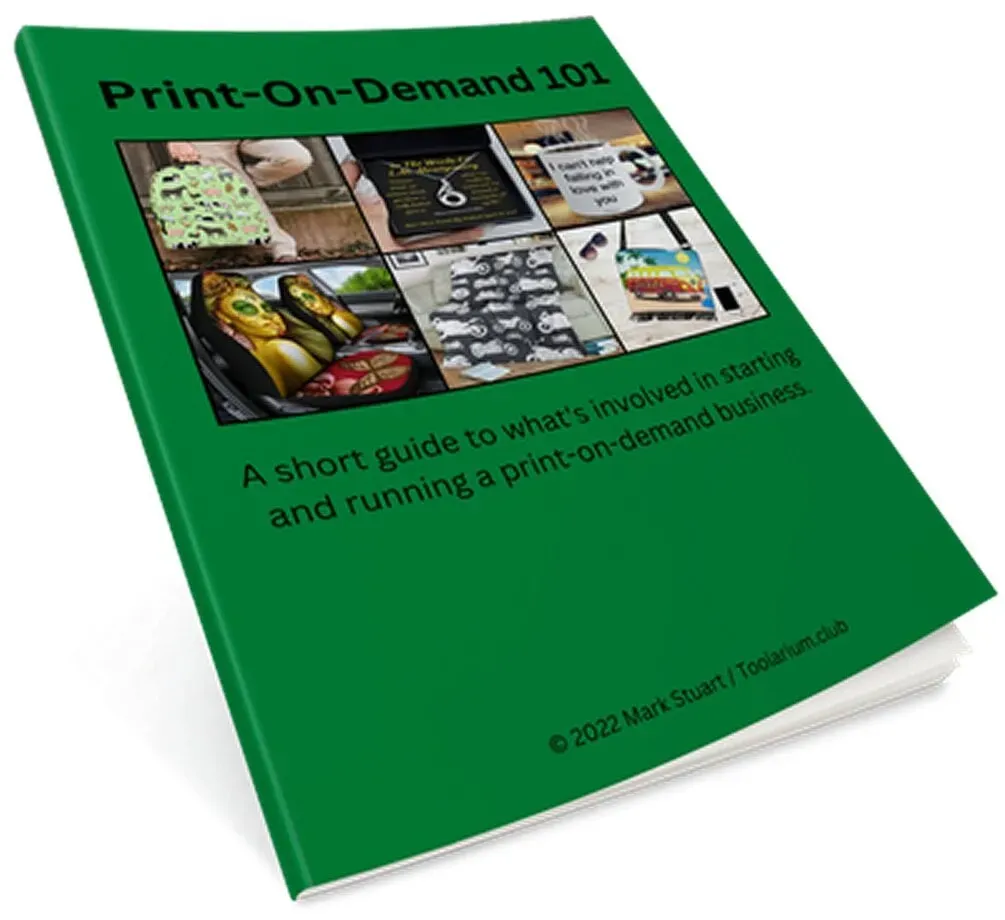
Print on Demand 101 opens a practical doorway to building a business that sells custom products online without holding inventory, turning your creative ideas into a scalable POD business you can grow with careful testing, smart supplier partnerships, and a lean startup mindset that minimizes risk while maximizing learning from early customer feedback and market signals, and this approach makes it easy to test ideas quickly and adapt to feedback as you build a memorable brand from scratch. The model centers on designing products for POD—creating adaptable designs once and distributing them across apparel, home decor, and accessories—while partners print and ship only after orders, dramatically reducing costs, inventory concerns, fulfillment headaches, and the logistics drag that often dampens momentum for new stores, and by vetting suppliers for quality and clear communication you protect your reputation as you scale. If you’re ready to start a POD store, this guide walks you through choosing a niche that resonates with a defined audience, validating demand with keyword insights, social conversations, and customer surveys, and setting scalable pricing that sustains growth as you expand product lines and test diverse marketing angles, ensuring your value proposition matches buyer motivations. Alongside product strategy, online store optimization takes the front seat—crafting SEO-friendly titles, persuasive descriptions, and high-quality visuals, plus structured data, fast-loading pages, clear calls-to-action, and a clean navigation experience that helps your listings reach the right audience and convert visitors into loyal customers, while investing in consistent image styles and accessible product data that support both search engines and shoppers. With consistent testing, supplier reliability checks, and customer feedback loops, Print on Demand 101 helps you move from idea to first sale and build a repeatable framework that scales with your ambitions, supporting long-term profitability through data-driven decisions, strategic experimentation, and a relentless focus on delivering value to customers.
1. Print on Demand 101: Your Step-by-Step Path to a Successful POD Store
Print on Demand 101 is a practical framework for launching an online store that sells customized products without holding inventory. This approach minimizes upfront costs and removes the burden of fulfillment logistics, making it ideal for first-time entrepreneurs exploring the print on demand model. By following a structured path, you can move from idea to first sale in a few weeks, testing concepts and iterating quickly based on real customer feedback.
As you embark on your POD journey, focus on building a solid foundation: choosing a niche, validating demand with relevant keywords, and selecting a small set of core products. The emphasis on testable ideas aligns perfectly with online store optimization and scalable growth. With the right supplier network and clear processes, you can reduce risk while expanding your catalog over time.
2. Choosing a Niche and Core Products for a Profitable POD Business
A tight niche simplifies branding, improves customer relevance, and increases your chances of ranking in search results. Start by exploring personal interests and then validate demand through keyword research, social conversations, and existing products in your target space. A well-defined niche helps you craft designs that resonate deeply and stand out from generic options.
When selecting products, prioritize items that align with your audience’s values and the constraints of print on demand. Common POD options include apparel, home decor, accessories, and specialty items. Focus on a small core set that suits your niche, then test variations in color, size, and design to identify what sticks. As demand grows, you can expand strategically while maintaining a cohesive brand.
3. Designing for POD: Visuals, Branding, and Quality that Convert
Design is the heartbeat of a successful POD business. High-quality, original designs justify pricing and attract repeat customers. If you’re not a designer, you can collaborate with freelance designers or use marketplaces and templates to create compelling visuals. Prioritize simplicity, legibility, and adaptability so your designs perform well across fabrics and surfaces.
In addition to artwork, maintain branding consistency across products to reinforce recognition. Consider color palettes, typography, and consistent messaging, and think about unboxing experiences and packaging as part of your brand story. Strong visual identity enhances online store optimization by improving conversion rates and encouraging social proof.
4. Setting Up Your Store and Choosing Reliable Suppliers for Print on Demand
Most POD entrepreneurs start with a storefront platform (such as Shopify or WooCommerce) connected to trusted POD suppliers. The goal is to streamline setup, reduce frictions, and enable swift listing of your designs. A thoughtful setup supports your broader plan to start a POD store and scale without traditional inventory risks.
Evaluating suppliers is critical for long-term success. Look for a broad production catalog, transparent pricing, reliable shipping timelines, and strong quality control. Testing orders and comparing print results across multiple products helps you select partners who consistently deliver on color accuracy, sizing, and finish, which in turn supports positive customer experiences and repeat purchases.
5. Marketing, Analytics, and Customer Experience in a POD Business
Marketing for a POD business blends content, social media, email, and partnerships to attract and nurture customers. Create value-driven content around your niche, leverage micro-influencers, and use targeted ads to validate demand while refining your messaging. This integrated approach aligns with online store optimization practices and helps you turn visitors into first-time buyers and loyal fans.
Analytics and data drive sustainable growth. Track metrics like margins, product performance, and customer lifetime value to inform pricing and assortment decisions. Regular experimentation—A/B testing product pages, descriptions, and images—lets you optimize the store experience, improve conversions, and steadily grow your POD business toward profitability.
Frequently Asked Questions
What is Print on Demand 101 and how does it simplify starting a POD business?
Print on Demand 101 describes a model where you design products and a supplier prints and ships only after a customer orders. You don’t hold bulk inventory, which lowers upfront costs and risk while letting you test ideas quickly. This approach is ideal for beginners who want to reach their first sale in a POD business by focusing on reliable partners and fast iteration.
How do I choose a niche and products when I want to start a POD store with Print on Demand 101?
Begin with a focused niche that aligns with your interests and audience. Validate demand by researching keywords and social conversations, then select a small set of core products that fit your niche. Test variations and pricing to learn what resonates before expanding your catalog.
What are best practices for designing products for POD under Print on Demand 101?
Designs should be high quality and simple to ensure readability on apparel and home goods. If you are not a designer, consider freelancers, design marketplaces, or templates while keeping fonts, colors, and branding consistent across products. Think about color printing on light and dark backgrounds and use clear mockups to preview results.
How can I optimize my online store for search and conversions using the Print on Demand 101 approach to online store optimization?
Craft SEO friendly product titles and descriptions that include your niche and product type, and use high quality images with descriptive alt text. Maintain clean URLs, showcase lifestyle shots when possible, and gather early reviews to build trust. This online store optimization helps improve visibility and conversions.
What should I know about pricing and launching a POD business according to Print on Demand 101?
Set prices to cover base costs, printing, packaging, and shipping while leaving room for a reasonable margin. A 30–50% gross margin is a common starting target, but adjust based on niche and marketing spend. Start with a soft launch, keep a focused catalog, and use content, social media, and email marketing to drive your first sales.
| Key Topic | What It Means | Actionable Steps |
|---|---|---|
| Print on Demand (POD) model | You design products; a supplier prints and ships only after an order; no bulk inventory or fulfillment logistics on your end. | Find a reliable POD partner; run test orders; set clear expectations for production times and costs. |
| Choosing your niche and products | Narrow focus helps branding, relevance, and SEO; validate demand with keywords, social conversations, and existing products. | Brainstorm niches; validate demand; pick core product types aligned with your niche; test variations. |
| Designing products and branding | High-quality, original designs are essential; if not a designer, use freelancers, marketplaces, or templates. | Keep designs simple; test colors; ensure consistent branding; plan packaging/unboxing touches. |
| Platform and store setup | Use a storefront platform (Shopify, Etsy, etc.) connected to POD suppliers; assess ease of use, supplier network, shipping times, and pricing transparency. | Choose a platform; connect to a supplier; configure shipping, pricing, and storefront details. |
| Pricing, margins, profitability | Set prices by covering costs and adding value; a target gross margin of 30-50% is common for beginners. | Calculate total costs; set pricing; use psychological pricing; consider bundles and samples. |
| Quality control and samples | Order samples to verify print quality, color accuracy, and readability across products. | Order multiple sizes/colors; compare across products; document findings. |
| Optimizing listings for SEO/conversions | Craft product titles, descriptions, and images that are user- and SEO-friendly; use alt text and structured data. | Write keyword-rich titles/descriptions; high-quality images; add alt text; solicit early reviews. |
| Launching and first sales | Plan a soft launch to test response with a subset of products and a clean storefront. | Prepare a soft-launch plan; collect feedback; iterate quickly. |
| Marketing (organic and paid) | Mix content marketing, social media, email, influencers, and paid ads; track ROAS. | Develop a content calendar; build email list with lead magnets; partner with micro-influencers; run paid campaigns. |
| Common challenges | Expect supplier reliability, quality variation, customer service load, IP concerns, and scaling limits. | Vet suppliers; standardize colorways; set clear shipping timelines; ensure licensing; scale gradually. |
| Long-term success | Successful POD stores rely on experimentation, data-driven decisions, consistent branding, and a customer-centric mindset. | Regularly test new designs/niches; analyze data; maintain cohesive branding; focus on customer feedback. |
Summary
Print on Demand 101 is a practical blueprint for turning creative ideas into a scalable online business. By focusing on a clear niche, quality designs, reliable suppliers, and thoughtful marketing, you can build a sustainable POD business that grows with your vision. Start small, iterate often, and keep learning from customer feedback. Your first sale is just the beginning of a rewarding journey in the world of print on demand.