

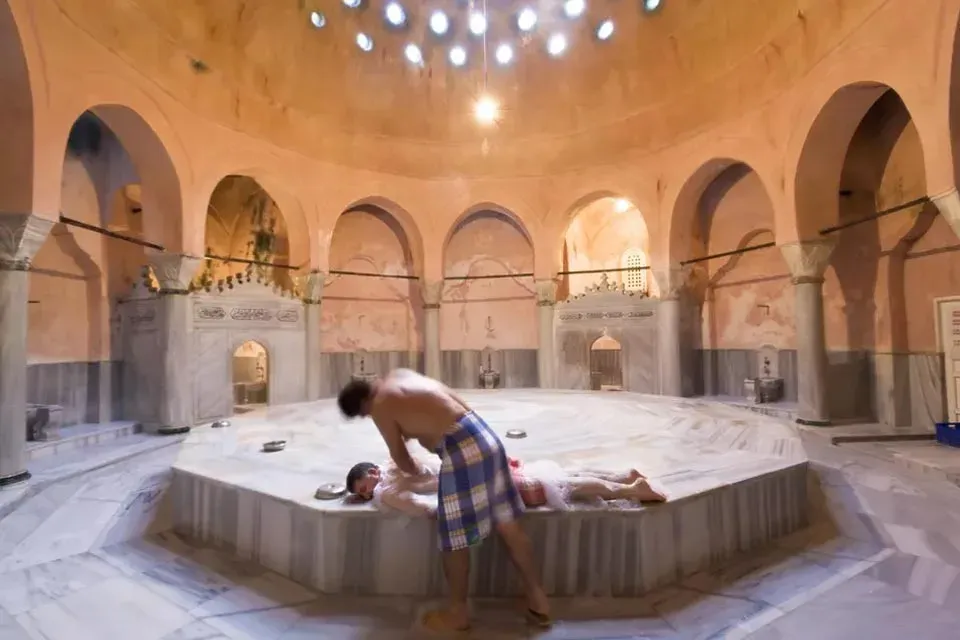
A Turkish bath experience invites you into centuries of wellness ritual, where heat and humidity set the stage for relaxation. From steam room rituals to the kese scrub, the journey blends cleansing, warmth, and skilled touch that many describe as revitalizing. The hamam benefits unfold as circulation improves and skin feels softer after a thorough exfoliation and a soothing soap massage. To get the most from your visit, follow practical relaxation tips like staying hydrated, communicating comfort levels, and pacing heat exposure. With attentive guidance and mindful breaths, you emerge calmer, more refreshed, and ready to carry that sense of well-being into daily life.
Beyond the phrase Turkish bath experience, this heat-and-humidity ritual is also described as a hamam culture, a traditional steam bath, or a bathhouse cleansing rite. In this framing, guests move through progressively warmer rooms, receive a kese scrub, and enjoy a fragrant soap massage as part of a holistic spa journey. LSI-friendly terms like steam room rituals, exfoliation, and relaxation tips help connect this concept to related wellness topics that readers may search for.
Experience the Turkish Bath Experience: From Steam Room Rituals to Soap Massage
Step into a traditional hamam and let the environment guide you through a sequence of heat, moisture, and touch. The steam room rituals soften the skin, relax the muscles, and prepare your senses for the restorative journey ahead. As warm air embraces you and marble surfaces cool your skin ever so slightly, you’ll feel tension melt away with every measured breath and every gentle pause between rooms.
This is more than a cleansing routine; it’s a holistic retreat where kinesthetic touch meets cultural ritual. Follow the attendants’ lead, listen to your body, and allow the soap massage to arrive as a concluding cadence that leaves you feeling refreshed, calm, and lightly buoyant. To maximize the experience, stay hydrated and embrace the pace of each stage, recognizing the hamam benefits—improved circulation, skin renewal, and a meditative pause from daily life.
Exfoliation and Skin Renewal: The Kese Scrub as a Gateway to Hamam Benefits
Exfoliation, embodied by the kese scrub, is a defining moment in the Turkish bath experience. The attendant’s brisk, deliberate strokes remove dull, dead skin cells and reveal smoother, brighter skin beneath. While the process can feel invigorating, communicate any sensitivities so the exfoliation remains comfortable and effective.
By preparing the skin through exfoliation, subsequent treatments—especially the soap massage—absorb more deeply, enhancing moisture retention and the overall glow. The ritual’s exfoliation phase lays the groundwork for longer-lasting hydration, making it easier for you to reap the hamam benefits of renewed texture, improved tone, and a healthier surface ready for oils and moisturizers.
Soap Massage: Cleansing, Circulation, and Calm in a Foamy Ritual
After exfoliation, the soap massage arrives as a luxuriant, foamy cleanse that doubles as a massage. Long, flowing strokes rinse away scrub residues while soothing tired muscles, promoting circulation, and guiding you toward a deep sense of relaxation. Aromatic soaps infused with olive oil, lavender, or citrus notes heighten the sensory experience and contribute to overall well-being.
This phase not only cleanses but also nourishes the skin and mind, turning physical cleansing into a meditative moment. As your body relaxes under warm lather, you’ll notice a gradual fade in tension—an experiential bridge between the heat of the rooms and the quiet recovery that follows in the rinse and rest areas.
Hydration, Safety, and Etiquette: Getting the Most from Your Turkish Bath Experience
Hydration and clear communication are foundational to a safe, enjoyable session. Drink water before and after, and alert your attendant to any medical conditions, allergies, or sensitivities. If heat feels overwhelming at any point, pause, slow down, or ask for a shorter steam interval. Attendants are trained to guide you gently, ensuring comfort throughout the journey.
Etiquette and respectful behavior help maintain a serene, shared space. Expect towels or wraps, modest attire in certain areas, and a paced rhythm from arrival to final rest. By honoring others’ comfort and following guidance, you amplify the relaxation tips that accompany the Turkish bath experience and preserve the sanctity of the ritual.
Long-Term Wellness: Hamam Benefits for Circulation, Skin, and Mind
Engaging regularly with the Turkish bath experience can support circulation, skin renewal, and mental calm. The combined heat, moisture, exfoliation, and massage work synergistically to promote relaxation, ease muscular tension, and nurture a renewed sense of vitality. These holistic effects contribute to a sustainable wellness routine that complements other self-care practices.
To extend the benefits, incorporate thoughtful aftercare: hydrate, apply a nourishing oil or moisturizer, and allow your body to rest before resuming daily activities. With mindful pacing and your body’s feedback, you can cultivate lasting results—from smoother skin to improved overall well-being—while savoring the timeless ritual’s unique balance of heat and touch.
Frequently Asked Questions
What is the Turkish bath experience, and how do steam room rituals fit into it?
The Turkish bath experience is a traditional hamam session that blends heat, moisture, cleansing rituals, and touch to cleanse and relax the body and mind. Steam room rituals soften the skin, open pores, and ease muscle tension, forming the core alongside exfoliation with a kese and a soap massage.
What are the key hamam benefits for skin and well-being during a Turkish bath experience?
Key hamam benefits include improved circulation, skin renewal through exfoliation, and reduced stress from heat and massage. Regular sessions can support relaxation, breathing comfort, and a meditative break, contributing to overall well-being.
How should I prepare for a Turkish bath experience, and what are some relaxation tips?
Preparation includes arriving clean and hydrated, informing attendants of sensitivities, and wearing a towel or wrap. Hydration before and after is essential, pace yourself, and rest between steps. Relaxation tips: practice slow breathing, embrace the ritual rhythm, and listen to your body.
What does a typical Turkish bath experience sequence look like, including the kese scrub and soap massage?
A typical sequence starts with arrival and acclimation, then the steam room, followed by a warm rest area. Exfoliation with the kese scrub comes next, then the soap massage, a rinse, and a final rest with rehydration. The kese scrub and soap massage are signature steps that prepare the skin and ease tension.
How can I maximize the benefits of the Turkish bath experience for skin and overall well-being?
To maximize benefits, hydrate well before, during, and after the session; communicate preferences; start with milder exfoliation; proceed at your own pace; and finish with aftercare such as moisturizer. Relaxation tips like mindful breathing and slow pacing can further deepen the sense of calm.
| Aspect | Key Points |
|---|---|
| What is it? | A cultural ritual (hamam) that uses heat, moisture, cleansing rituals, and touch-based services like kese exfoliation and a soap massage to promote relaxation, skin renewal, and mental calm, delivered across a sequence of progressively warmer rooms. |
| Preparation and etiquette | Arrive clean and hydrated; wear a towel or wrap; inform attendants of any skin sensitivities or medical concerns; modesty is preserved with towels/robes; hydrate before and after; communicate discomfort and pause if needed. |
| Step-by-step journey | Arrival/acclimation → steam room → warm room/rest → exfoliation with the kese → soap massage → rinse and cool-down → final rest and hydration. Exact order may vary by spa. |
| What to wear | Most hammams provide towels or wraps; you may wear a swimsuit or wrap, depending on policy. Some places allow nudity for massage-based treatments. Always follow spa policy and personal comfort. |
| Health benefits and considerations | Possible benefits include improved circulation, muscle relaxation, and skin renewal, plus stress reduction and meditative relaxation. Those with skin infections, open wounds, eczema, recent surgery, pregnancy, cardiovascular issues, or heat sensitivity should consult a professional. Hydration and listening to your body are essential. |
| Exfoliation and skincare | Kese exfoliation removes dead skin to reveal smoother skin; it should feel invigorating, not painful. Post-exfoliation, moisturizers or oils enhance absorption; request gentler treatment if needed for sensitive skin. |
| Cultural context and variations | Hammams vary by architecture and pace, but core elements—heat, moisture, cleansing, exfoliation, and massage—remain. Etiquette and learning a few phrases can enrich the experience. |
| Tips for first-timers | Communicate conditions and desired touch level; pace yourself; hydrate; start with a milder exfoliation; embrace the ritual; respect others’ space; follow aftercare with moisturizing to lock in hydration. |
| Where to try | Seek reputable spas with clean facilities and trained staff; consider introductory packages to ease in; aim for a calm, restorative atmosphere that supports relaxation and vitality. |
Summary
Table provides a concise, English overview of the Turkish bath experience, summarizing its essence, preparation, steps, attire, benefits, skincare, cultural context, practical tips, and where to try.